Follow Me On Social Media!
Cold Fermented Pizza Dough: The Best You’ll Ever Taste!

Introduction to Cold Fermented Pizza Dough
Creating your own cold fermented pizza dough is not just a culinary adventure; it can turn your home meals into gourmet experiences that rival the finest pizzerias. Imagine biting into a crust that’s crispy on the outside and delightfully chewy on the inside, all thanks to the slow fermentation process. This technique allows the dough to develop complex flavors that traditional methods just can’t match. The result is a depth of taste that truly elevates any pizza night.
Why Homemade Pizza is a Game Changer
Homemade pizza offers unparalleled flexibility and control over ingredients, which makes it a go-to choice for anyone who values both flavor and health. You have the freedom to experiment with various toppings, sauces, and even cheeses. But perhaps one of the most liberating aspects is the ability to tailor your dough exactly to your liking.
Cold fermented pizza dough takes this to another level. By taking advantage of a long fermentation period—usually in the refrigerator—you allow the yeast to work slowly, creating a rich flavor profile that’s simply divine. The process can seem intimidating at first, but it’s surprisingly straightforward and deeply rewarding.
You might wonder, why is cold fermentation preferable? It grants your dough more time to develop that characteristic flavor and texture, making your crust light and airy. Studies even show that longer fermentation can elevate the probiotics in dough, making it more digestible. Imagine serving up a pizza that not only tastes incredible but also feels good on your stomach!
And here’s a little secret: once you master the art of cold fermentation, you can easily impress your friends and family at gatherings. Picture yourself pulling out a pizza stone, topped with the freshest ingredients, while the aroma wafts through your home. It’s the kind of culinary magic that makes you the star of the show, whether it’s a casual Friday night or a festive occasion.
In the following sections, I’ll guide you through the ingredients and the step-by-step process to create your very own cold fermented pizza dough, ensuring that you’re set up for a sensational pizza night. Get ready to roll up your sleeves and craft something truly delicious!
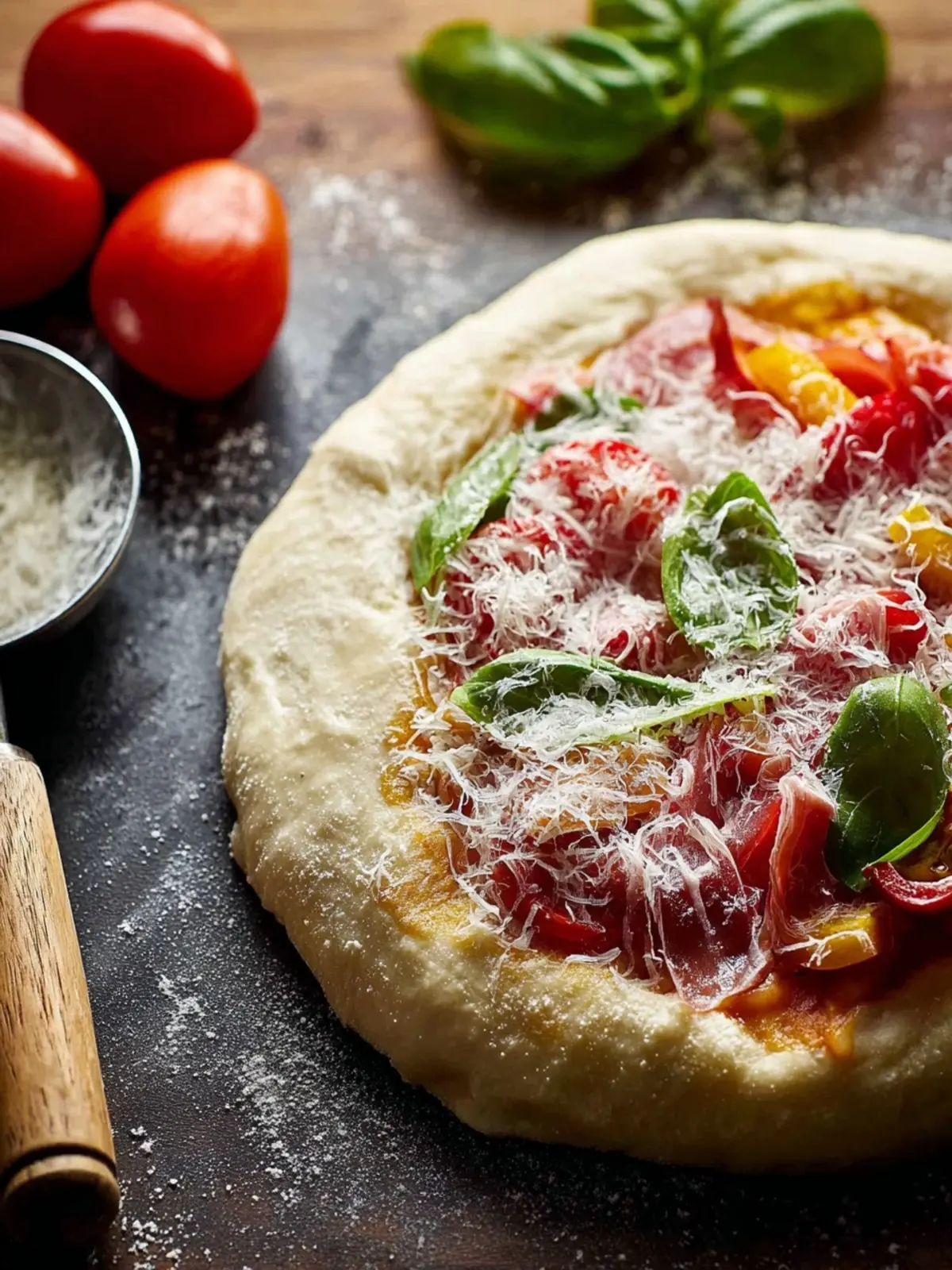
Key Ingredients for Cold Fermented Pizza Dough
Creating the perfect cold fermented pizza dough starts with choosing the right ingredients. Each one contributes to that beautiful crust that keeps you going back for more.
Bread Flour
When it comes to achieving a deliciously chewy pizza crust, bread flour is a must. With its higher protein content, it forms gluten that provides that satisfying elasticity and bite. You’ll find that your homemade pizzas have a restaurant-quality texture—golden crisp on the outside and wonderfully chewy inside.
Instant Dry Yeast
Forget about long waits; instant dry yeast is a game-changer. This fast-acting ingredient helps our dough rise quickly and easily. Just mix it in with the other dry ingredients, and you’re ready to roll—literally!
Salt
Don’t underestimate the importance of salt. This small but mighty ingredient enhances the flavor of your dough, making every bite that much more scrumptious. It’s a flavor booster that transforms plain dough into something more complex and enjoyable.
Olive Oil
Adding olive oil to your dough not only enriches its flavor with a subtle nuttiness but also contributes to the ideal texture. This results in a crust that’s crispy on the outside yet tender and soft within.
Water
Lastly, water is your dough’s backbone. The right temperature is crucial; using lukewarm water helps activate the yeast effectively, ensuring a beautifully risen dough. Make sure it’s not too hot, or you might inadvertently kill your yeast!
With these essential ingredients, your cold fermented pizza dough will be the star of your pizza night.
Why You’ll Love This Cold Fermented Pizza Dough
When you embark on your pizza-making adventure with cold fermented pizza dough, you’ll find a world of flavor and texture that transforms your homemade pies into something extraordinary. This technique, often overlooked, brings out rich, complex flavors that result from a slow fermentation process.
The Unique Flavor from Cold Fermentation
The magic of cold fermented pizza dough lies in its ability to develop flavor over time. Instead of relying on quick methods, this style allows the dough to slowly rise in the fridge for 24 hours or even up to several days.
-
Depth of Flavor: With each passing hour, the yeast works its magic, producing lactic acid that imparts a nuanced taste. You’ll discover a blend of nutty, slightly tangy notes that are simply irresistible.
-
Texture at Its Finest: The long fermentation time allows gluten to develop fully, creating a dough that is both chewy and airy. Imagine pizza crusts that are crispy on the outside but remain soft and fluffy inside—a true texture triumph.
-
Flexibility in Use: Since it can be stored for several days, you can make it ahead of time. This ensures that when the pizza craving strikes, you’re ready to fire up the oven and impress friends and family without the stress of last-minute preparations.
Once you experience this cold fermented pizza dough, you’ll never want to go back to quick-rise methods. The flavor and texture are worth the wait!
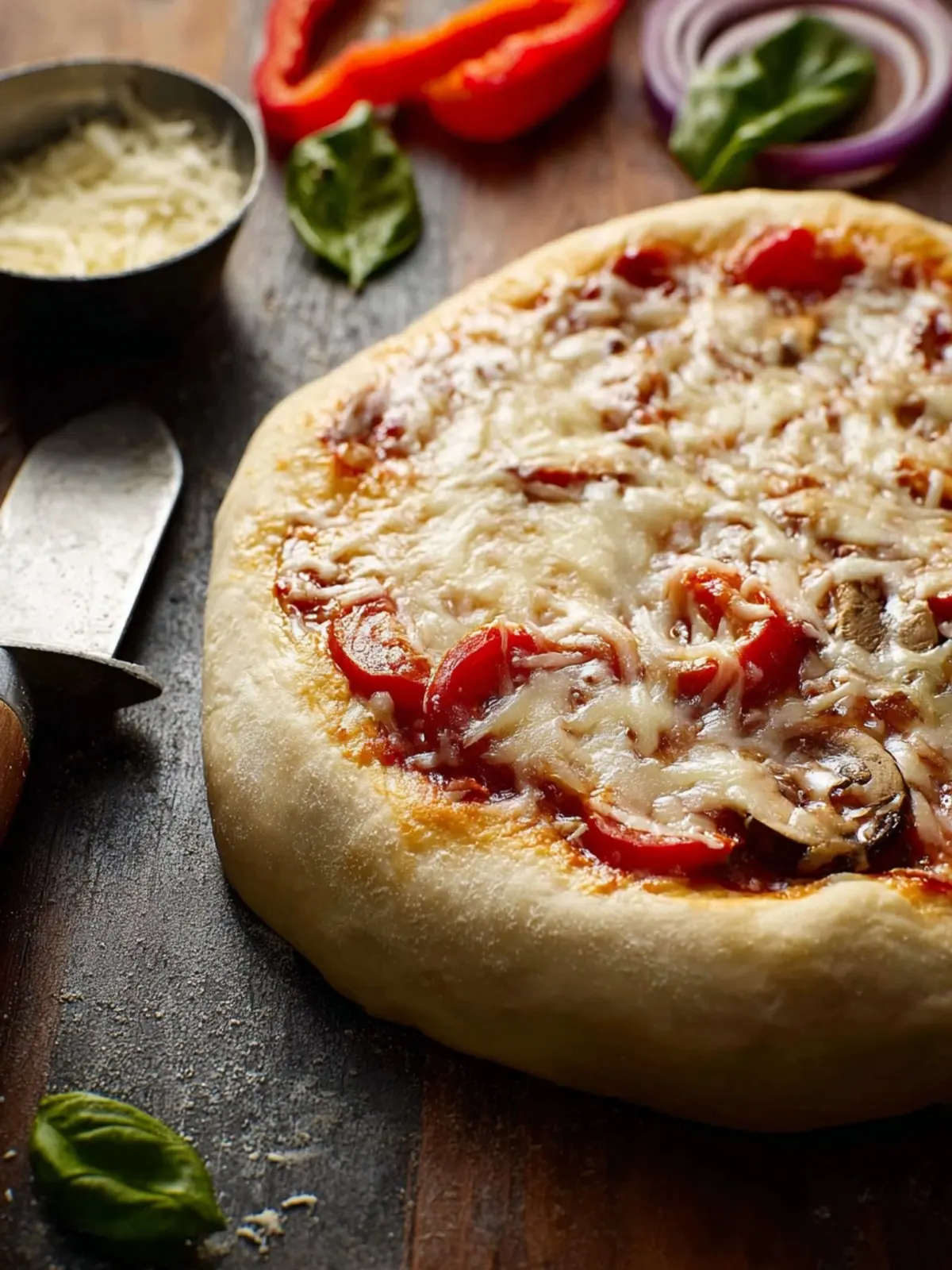
Tips for Perfecting Your Cold Fermented Pizza Dough
Creating the perfect cold fermented pizza dough can elevate your pizza night to an unforgettable culinary experience. Here are some friendly tips to ensure your dough turns out beautifully every time.
The Importance of Timing and Temperature
The magic of cold fermented pizza dough lies in its timing and temperature. Allowing your dough to ferment in the fridge for at least 24 hours enhances the flavor and texture. Longer fermentation, up to 72 hours, can develop even richer, complex flavors.
- Ideal Temperature: Keep your refrigerator around 4°C (39°F). This temperature slows down yeast activity without halting it, giving the dough enough time to develop those tantalizing flavors.
- Room Temperature Dough: Before working with your dough, let it rest at room temperature for about 30 minutes. This makes it easier to stretch and shape without tearing.
- Watch the Dough Consistency: If your dough feels overly sticky after fermenting, consider adjusting your water-to-flour ratio next time. A well-hydrated dough can result in a chewy crust but may require a bit more management during shaping.
By being attentive to timing and temperature, you’ll create an exceptional cold fermented pizza dough that impresses everyone at the table. Happy pizza-making!
Time Details for Cold Fermented Pizza Dough
Preparing cold fermented pizza dough is not just about mixing flour and water; it’s an art that requires careful timing. Understanding the time involved can help set you up for pizza-making success, ensuring that your dough rises to its full potential.
Preparation Time
The initial preparation for your cold fermented pizza dough takes about 15 minutes. In this brief yet essential period, you’ll mix the ingredients, knead the dough briefly, and get it ready for fermentation.
Fermentation Time
Once the dough is prepared, it’s time for the magic. The fermentation process will take at least 24 hours in the refrigerator, although allowing it to sit for 48-72 hours is highly recommended. This slow fermentation develops complex flavors and a wonderfully chewy texture.
Total Time
In total, you’re looking at about 1-3 days from start to finish. While that may sound lengthy, most of it involves hands-off waiting, making this process as rewarding as it is delicious. You’ll soon find that the wait is worth every moment when you take your first bite of your homemade pizza!
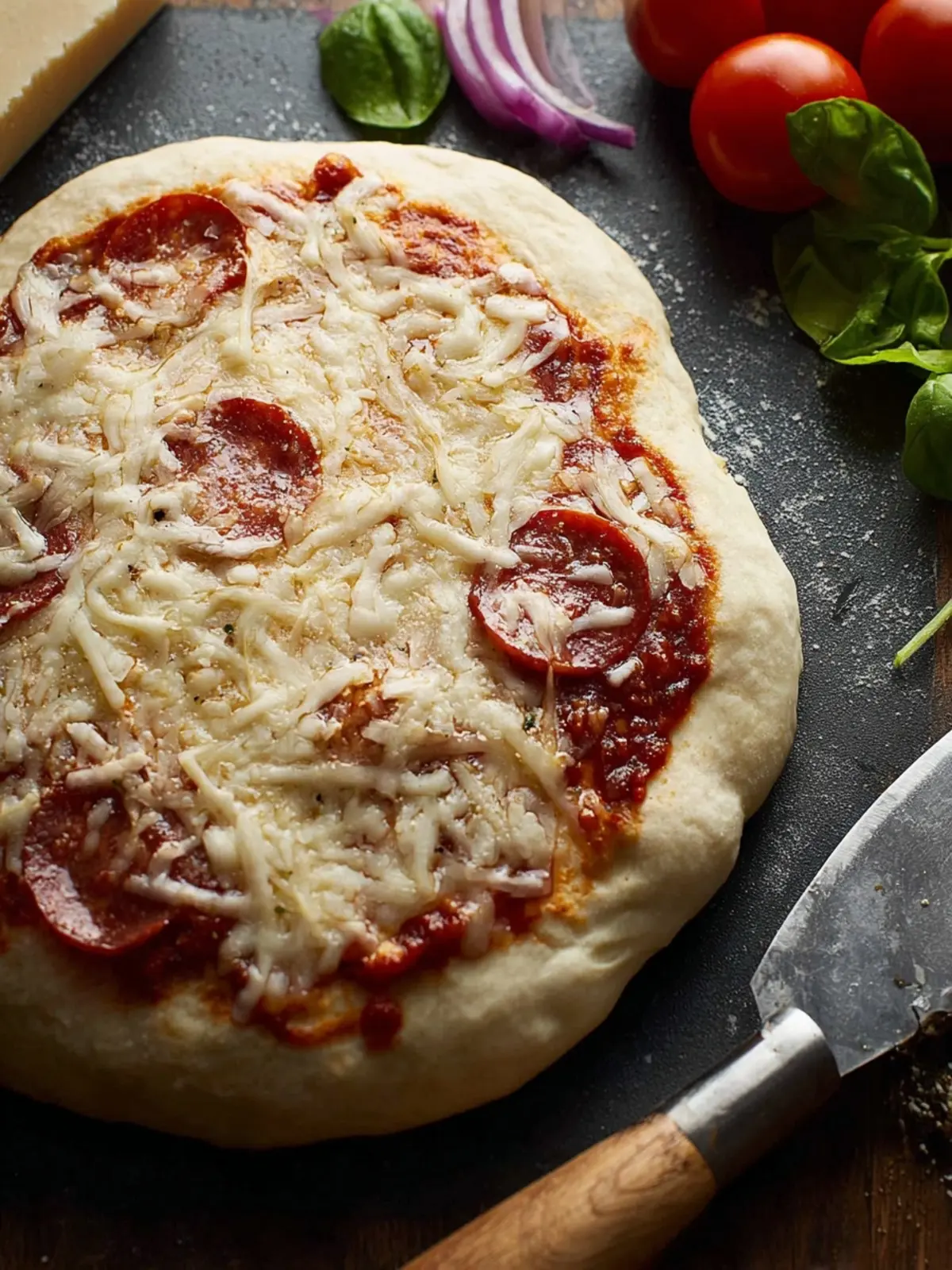
Nutritional Information for Cold Fermented Pizza Dough
Crafting the perfect cold fermented pizza dough is not just an art; it’s also a science when it comes to nutritional value. Each bite you take carries a blend of beneficial nutrients that can complement your meal choices.
Calories
A typical serving of cold fermented pizza dough contains around 200 calories. This makes it a hearty base for all your favorite toppings while allowing you to enjoy a balanced meal.
Protein
When it comes to protein, this dough offers roughly 7 grams per serving. It provides the essential building blocks your body needs, particularly if you’re active.
Carbohydrates
This delightful dough is rich in carbohydrates, packing about 40 grams per serving. Carbs serve as your body’s main energy source, making this pizza dough not only delicious but also a functional food choice for your busy lifestyle.
Incorporating cold fermented pizza dough into your cooking repertoire means savoring tasty meals while being mindful of nutrition. This truly makes every pizza night feel like a treat invested in your well-being.
FAQs about Cold Fermented Pizza Dough
When it comes to mastering the art of pizza-making, understanding cold fermented pizza dough is your secret weapon. This method allows the dough to develop deep, complex flavors while you go about your day. Here are some answers to common questions that can help you on your culinary journey.
How long can I ferment the dough?
The beauty of cold fermented pizza dough lies in its flexibility. You can ferment the dough for anywhere from 24 hours to even up to 72 hours in the fridge. A longer fermentation time allows natural yeasts to work their magic, giving the crust a more robust flavor and delightfully chewy texture. Just be sure to keep it covered to prevent it from drying out!
Can I freeze the dough for later use?
Absolutely! Freezing your cold fermented pizza dough is a fantastic way to ensure you always have a pizza base ready to go when those cravings strike. Simply shape the dough into balls, wrap them tightly in plastic wrap, and place them in an airtight container. They can be frozen for up to three months. Just remember to thaw the dough in the fridge overnight before using it.
What toppings go well on pizza made with this dough?
The versatility of cold fermented pizza dough truly shines when it comes to toppings. Here are a few favorites:
- Classic Margherita: Fresh mozzarella, basil, and a drizzle of olive oil.
- Pepperoni: A timeless choice topped with spicy slices that add a great kick.
- Veggie Delight: Combine bell peppers, onions, mushrooms, and olives for a colorful medley.
- BBQ Chicken: Grilled chicken, BBQ sauce, red onions, and cilantro for a fun twist.
Experiment with your favorites, and don’t hesitate to get creative! Your taste buds will thank you.
Conclusion on Cold Fermented Pizza Dough
Embracing the process of cold fermented pizza dough in your culinary journey can unlock unexpected levels of flavor and texture. This technique allows the dough to develop a robust complexity over time, making each pizza night an exciting event. The taste speaks for itself, combining the nutty notes from the long fermentation with a delightful chewiness in the crust.
As you’ve seen, patience is rewarded in the art of pizza making. By preparing your dough in advance, you set the stage for delicious, homemade pizzas that rival your favorite pizzeria. Next time you plan a gathering, remember the magic of cold fermented pizza dough as your secret to impressing friends and family!
Print
Pizza Dough
- Total Time: 24-48 hours
- Yield: 2 pizza crusts 1x
- Diet: Vegetarian
Description
This homemade pizza dough is perfect for any pizza topping you desire.
Ingredients
Scale
- 2 cups bread flour, spooned and leveled
- 1 tsp salt
- 1/4 tsp instant dry yeast
- 3/4 cup water
- 2–3 tbsp olive oil
Instructions
- In a large mixing bowl, mix the flour, salt, and yeast. Then add the water and stir with a spatula until it comes together and a shaggy dough forms.
- Pour a little olive oil in the palm of your hand and knead the dough for a few minutes until it’s smooth and releases from the bowl.
- Transfer the dough to a well-oiled container, also oil the top of the dough, lightly press the dough into the bottom of the container, cover, and let rest for 30 minutes at room temperature. Then transfer to the refrigerator until it has doubled in size.
- Once the size has doubled, usually after about 24 hours, lightly oil your hand, grab one side of the dough, stretch it up, and fold it onto itself. Turn the bowl by 90° and stretch it and fold it again. Repeat two more times. Then turn the dough upside down and lightly press the dough into the bottom of the container. Cover and chill for 2-4 days.
- On baking day, preheat the oven and pizza steel to 482°F (250°C) for 45-60 minutes. Place the baking steel in the top third of the oven. Remove the dough 1 hour before baking from the refrigerator and let rest in the container for 30 minutes.
- Then carefully remove the dough from the container with a dough scraper and place it on a work surface. Cut the dough in half and preshape both halves into rounds using a bench knife with as few moves as possible. Holding the bench knife at a shallow angle with the work surface, push the bench knife under the dough and from you away starting at 6 o’clock and make a fluid rotation up to 12 o’clock and push the dough back toward you to tighten the dough and shape it into a round ball. If the dough sticks to the bench knife, then flour the bench knife a little. Then flour the tops of the dough balls and cover with a dry and clean kitchen towel for 20 minutes.
- In the meantime, cover a pizza peel with semolina flour and set aside.
- Flour the work surface and the dough generously and turn the balls over with the bench knife. Lift one dough ball up and place it on your knuckles. Make two fists and stretch the dough and as the dough expands, gradually open your fists and sprout and stretch your fingers. Then place the dough back on the floured work surface and stretch with your fingers. Let gravity help you stretch the dough. Use enough flour to avoid sticking. Then lift the dough from two opposite sides and transfer it to the prepared pizza peel and shape it into an even round shape if necessary.
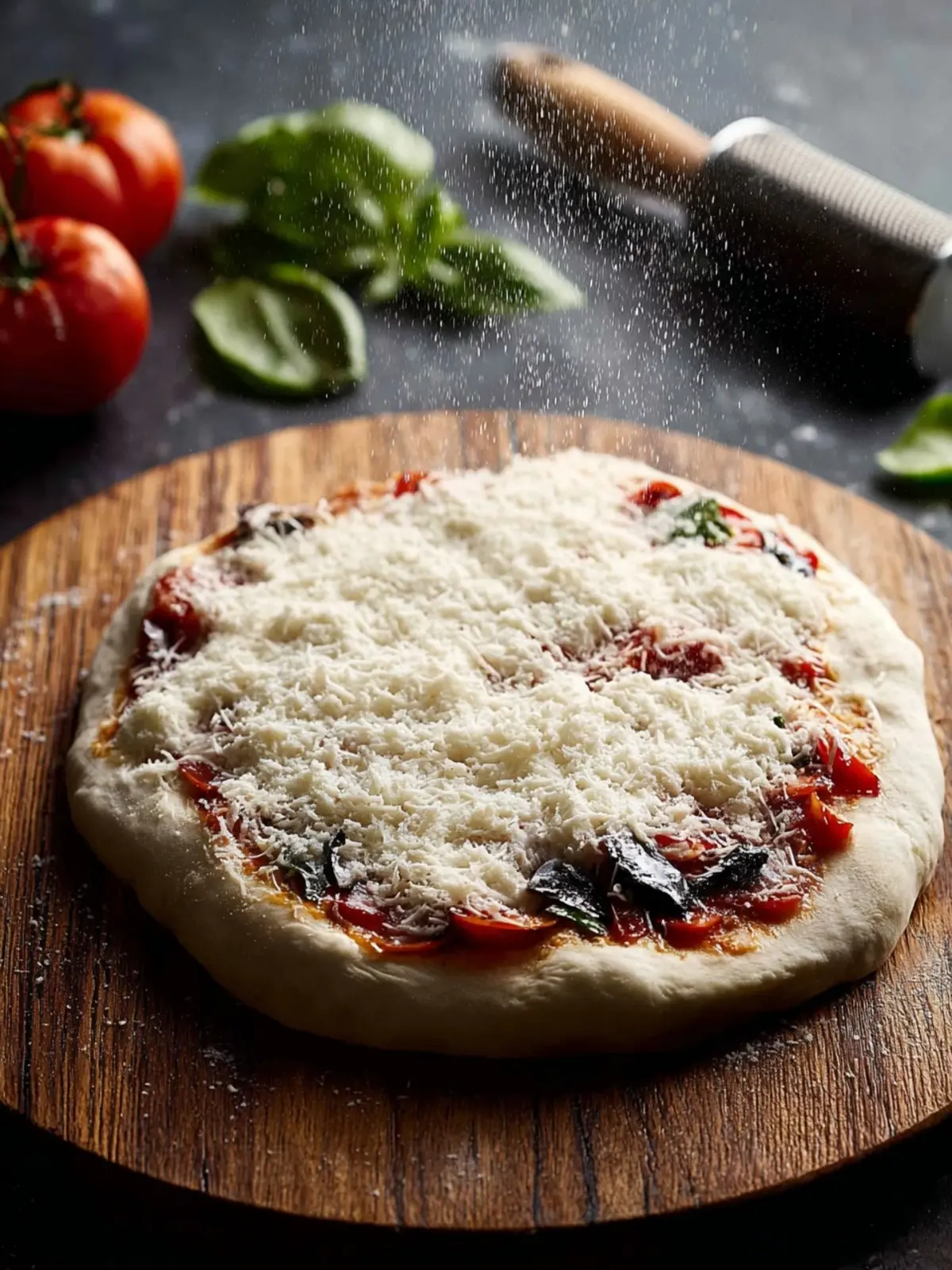
- Top with San Marzano pizza sauce, mozzarella cheese, your favorite toppings, transfer the pizza to the oven and bake for 6-7 minutes. If your oven has a broiler setting, turn it on after 3 minutes. While the first pizza is baking, prepare the second. Then remove the baked pizza with the pizza peel and bake the second. Serve immediately and enjoy.
Notes
- For best results, let the dough rest in the refrigerator for up to 4 days to develop more flavor.
- Be careful not to over-knead the dough, as it can become tough.
- Prep Time: 60 minutes
- Cook Time: 7 minutes
- Category: Bread
- Method: Baking
- Cuisine: Italian
Nutrition
- Serving Size: 1 slice
- Calories: 200
- Sugar: 0g
- Sodium: 400mg
- Fat: 8g
- Saturated Fat: 1g
- Unsaturated Fat: 6g
- Trans Fat: 0g
- Carbohydrates: 32g
- Fiber: 2g
- Protein: 6g
- Cholesterol: 0mg